
Special Session 1: 4D Printing and Mechanical Metamaterials
Chair: Wei Zhao, Harbin Institute of Technology, China Wei Zhao, Harbin Institute of Technology, China |
Vice Chair 1: Vice Chair 2: |
| This symposium focuses on the innovative design and intelligent manufacturing of mechanical metamaterials via 4D printing technology. Mechanical metamaterials acquire extraordinary mechanical properties not found in natural materials through artificially designed micro-architectures. 4D printing introduces the dimension of time and smart responsiveness to such materials. By integrating stimuli-responsive materials with ingenious structural designs, fabricated constructs can undergo predetermined, controllable transformations in shape, property, or function under specific external stimuli (e.g., heat, magnetic field, moisture). This field explores cutting-edge structural design methodologies, advanced fabrication processes, and intelligent actuation mechanisms, aiming to drive transformative applications in soft robotics, biomedical devices, aerospace, and flexible electronics. | 1. Design and Performance Characterization of Mechanical Metamaterials |
Special Session 2: Additive manufacturing
Chair: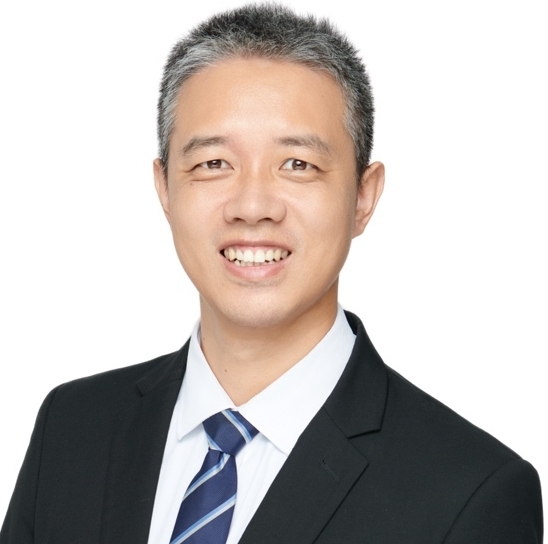 Shaohua Yan, Shenzhen MSU-BIT University, China Shaohua Yan, Shenzhen MSU-BIT University, China |
|
Additive Manufacturing (AM) has emerged as a transformative manufacturing paradigm, enabling unprecedented design freedom, material efficiency, and functional integration. As AM technologies continue to mature, critical challenges remain in materials development, process control, repeatability, and qualification for industrial-scale applications. |
1. Additive manufacturing processes, including: |
 Chengjun Zeng, Harbin Institute of Technology, China
 Xiaozhou Xin, Harbin Institute of Technology, China